
May 5, 2026
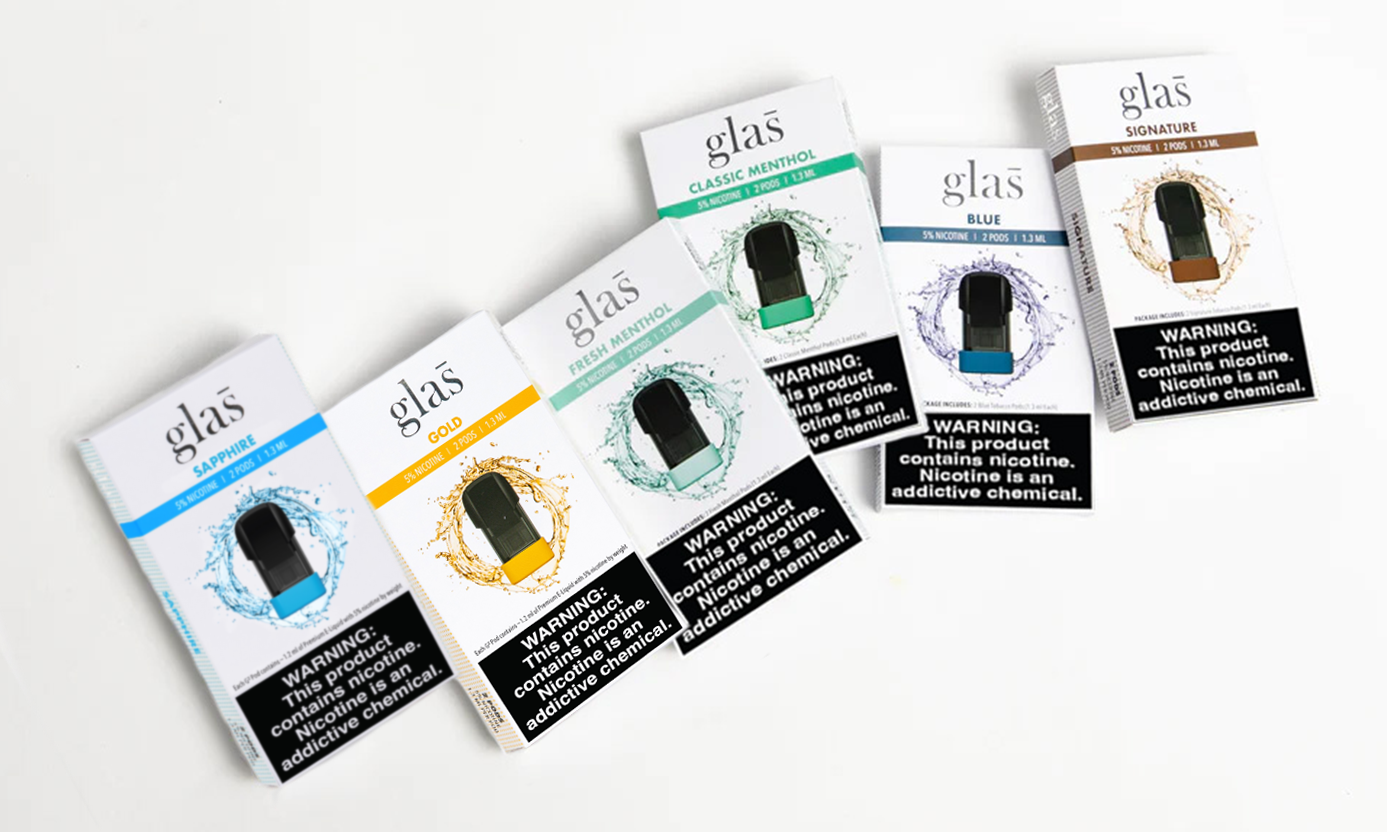
Yesterday, the U.S. Food and Drug Administration (FDA) authorized four flavored Glas electronic nicotine delivery system (ENDS) pod products (in flavors other than menthol or tobacco) through the Premarket Tobacco Product Application (PMTA) pathway; a first-of-its-kind decision for the industry.
While the FDA has previously authorized tobacco and menthol-flavored ENDS products, this marks the agency’s first authorization of non-tobacco flavored products. The decision immediately drew attention across the nicotine and tobacco sectors because it may signal an important shift in how the FDA evaluates flavored ENDS applications moving forward.
More importantly, the authorization provides the clearest indication yet that flavored products may achieve PMTA authorization when paired with sufficiently robust youth access controls and post-market safeguards.
Why This Approval Matters
For years, flavored ENDS products have faced steep regulatory hurdles under the PMTA process.
The FDA has consistently emphasized concerns around youth appeal and youth initiation, making it difficult for applicants to demonstrate that flavored products meet the “appropriate for the protection of public health” (HPPH) standard required for authorization. As a result, most industry observers viewed flavored product application authorizations as less likely than their tobacco or menthol flavored counterparts, absent overwhelming evidence of smoking cessation benefit.
The Glas authorization changes that conversation.
Rather than focusing solely on flavor-related risk, the FDA’s decision demonstrates a willingness to evaluate whether advanced technological controls can sufficiently reduce youth access and misuse to offset those concerns. That distinction could have major implications for future PMTA strategies across the industry.
What Helped Glas Secure Authorization?
According to the FDA, one of the most important factors supporting authorization was Glas’s device access restriction technology. The system incorporates several layers of user authentication and age verification, including:
- Government-issued ID verification
- Smartphone pairing via Bluetooth
- Device lockout when separated from the verified phone
- Random biometric identity check-ins
- Ongoing user authentication measures
In its announcement, the FDA specifically highlighted that the applicant demonstrated adult users were generally able to understand and successfully complete the verification process, while youth and young adults struggled to do so.
This usability evidence appears to have played a critical role in the agency’s determination that the products could effectively limit youth access while remaining accessible to adult smokers.
A New Regulatory Framework Is Emerging
The Glas authorization may represent more than a single product approval, it may reflect an evolution in the FDA’s broader regulatory philosophy.
Historically, PMTA submissions have focused heavily on toxicology, aerosol testing, behavioral studies, and comparative risk data. While those components remain essential, the Glas decision suggests that operational controls and technological safeguards could become increasingly important parts of the public health analysis.
In practical terms, this means future PMTA success for product categories with a higher likelihood of youth attraction may depend on a manufacturer’s ability to present a fully integrated compliance ecosystem, not just a scientifically characterized product.
That ecosystem may now include:
- Advanced age-gating technology
- Device-level authentication
- Marketing access controls
- Real-world surveillance programs
- Advertising demographic tracking
- Post-market reporting frameworks
The FDA’s emphasis on these elements signals that product authorization is increasingly viewed as an ongoing regulatory commitment rather than a one-time scientific review.
What This Means for the Future of Flavored ENDS Products
The FDA’s decision does not mean flavored ENDS products will suddenly become easy to authorize.
In fact, the agency made clear that these marketing orders remain conditional and subject to continued oversight. If youth usage increases or if the company fails to maintain compliance with its restrictions, the FDA retains authority to suspend or withdraw authorization.
Still, the Glas authorization establishes an important precedent: flavored products are not categorically excluded from authorization if applicants can demonstrate effective and measurable mitigation of youth access risks. That precedent alone is likely to influence how manufacturers structure future PMTA submissions.
Companies may now invest more heavily in digital verification systems, connected-device technologies, and post-market compliance infrastructure as part of their regulatory strategy.
The Bigger Industry Takeaway
Ultimately, the Glas authorization marks a pivotal moment for the ENDS industry.
It suggests the FDA is open to regulatory innovation when companies can provide credible evidence that technological safeguards meaningfully alter the public health risk profile of flavored nicotine products.
For manufacturers, the message is becoming clearer: future PMTA success will likely require more than strong science alone. It will require demonstrating that the entire product ecosystem, from access controls to marketing oversight, works together to support adult harm reduction while minimizing youth exposure.
The Glas decision may not redefine the PMTA pathway overnight, but it undoubtedly changes the direction of the conversation.
About Accorto Regulatory Solutions
Accorto Regulatory Solutions, LLC is a U.S.-based regulatory consulting firm specializing in FDA regulatory strategy, application development, and compliance support for FDA-regulated products. Accorto works with companies at all stages of growth, from early-stage and startup organizations to established international manufacturers entering or expanding within the U.S. market. With experience across emerging and mature regulatory environments, Accorto helps clients translate regulatory requirements into practical, scalable solutions that support product development, market entry, and long-term compliance.